Category: Uncategorized

  • Moving to a New Destination: An Exciting Step Towards Change

    Moving to a New Destination: An Exciting Step Towards Change

    Moving to a new destination is an exciting experience that brings fresh opportunities, different surroundings, and the possibility of a better lifestyle. It is a major decision that can influence many aspects of everyday life. Whether moving for personal reasons, career development, education, or family needs, every relocation creates an opportunity to begin something new.

    One of the main reasons people move is to improve their quality of life. Some individuals prefer living in a peaceful area away from busy streets, while others enjoy the excitement of a city with plenty of activities and facilities. Families may search for larger homes, better schools, and safer neighbourhoods. Choosing a location that matches personal needs can make a significant difference.

    Preparing for a move requires careful organisation. Before leaving, it is important to arrange accommodation, calculate expenses, and decide how belongings will be transported. Creating a moving checklist can help people remember important responsibilities. It is also useful to notify relevant organisations about the change of address and arrange essential household services.

    Packing is another important stage. Instead of putting everything into boxes without a plan, belongings should be organised according to their categories. Clothes, kitchen items, books, electronics, and decorations can be packed separately. Fragile objects should receive extra protection, while important documents should remain easily accessible.

    Once everything reaches the new destination, the process of settling down begins. Unpacking, arranging furniture, cleaning rooms, and organising storage areas can take time. However, these activities also provide an opportunity to design a comfortable living space. Choosing suitable furniture and adding personal decorations can make the new property feel warm and welcoming.

    Discovering the local area is another exciting part of moving. Exploring nearby supermarkets, cafés, parks, shopping centres, and public transport facilities helps newcomers become familiar with their surroundings. Finding convenient places can make everyday activities easier and save valuable time.

    Social connections also play an important role in settling into a new location. Introducing yourself to neighbours, joining community groups, and attending local events can help develop friendships. Being friendly and respectful towards others creates opportunities to build positive relationships.

    Moving can also introduce people to different lifestyles and perspectives. They may discover new foods, traditions, hobbies, and cultural activities. These experiences can increase confidence and encourage people to become more open-minded.

    However, relocation is not always easy. Unexpected expenses, transportation problems, and emotional stress can make the experience challenging. Some people may also miss their old homes and familiar surroundings. Maintaining communication with family and friends can provide comfort during this period.

    The most important thing is to remain positive and allow enough time for adjustment. Every new place takes time to understand, and every new home takes time to feel familiar. Small achievements, such as finding a favourite café or making a new friend, can make the journey special.

    In conclusion, moving to a new destination is an opportunity to welcome change and create a better future. It teaches responsibility, independence, and adaptability while introducing exciting experiences. With proper preparation and a positive mindset, relocation can become a rewarding journey filled with happiness, personal growth, and unforgettable memories.

  • Moving to a New Place: A Wonderful Journey Towards a Better Life

    Moving to a New Place: A Wonderful Journey Towards a Better Life

    Moving to a new place is a life-changing experience that brings excitement, hope, challenges, and countless opportunities. It is a journey that allows people to leave their familiar surroundings and discover a different way of living. Whether someone moves to another house, city, or country, the experience can create new memories and open doors to a brighter future.

    Every move begins with a reason and a dream. Some people move because they want to improve their living conditions, while others search for better employment, education, or business opportunities. Families may relocate to provide their children with a better future, while young adults may move to become independent and explore their interests. Whatever the reason, moving represents an important decision that can influence many aspects of life.

    Preparing for a New Beginning

    Preparation is one of the most important parts of moving. Before leaving an old home, people need to organise their belongings, arrange transportation, and make important decisions. Creating a checklist can help ensure that nothing is forgotten.

    Packing household items requires patience and attention. Clothes, shoes, furniture, kitchen equipment, books, electronic devices, and decorations should be packed carefully. Fragile belongings need protective materials, while important documents should be kept somewhere safe.

    It is also a good opportunity to remove unnecessary belongings. Items that are no longer useful can be donated, recycled, or given to people who need them. This makes packing easier and helps create a fresh and organised beginning.

    Discovering a Different Environment

    Arriving in a new place is often an unforgettable moment. Everything may look different, from the roads and buildings to the shops and people. At first, the surroundings might feel unfamiliar, but curiosity encourages people to explore.

    Walking around the neighbourhood is a wonderful way to become familiar with the area. People can discover nearby supermarkets, cafés, parks, libraries, shopping centres, and restaurants. Finding useful facilities makes daily life more convenient.

    Some places are known for their peaceful atmosphere and beautiful natural surroundings, while others are famous for their busy streets, entertainment, and modern lifestyle. Every location has something special that makes it unique.

    Creating a Comfortable Home

    A new house becomes a real home when people make it their own. Decorating rooms, arranging furniture, choosing colours, and displaying family photographs can create a welcoming atmosphere.

    The bedroom should provide comfort and relaxation, while the kitchen should be organised for everyday cooking. The living room can become a place where family members spend time together, watch films, share conversations, and welcome guests.

    Plants, colourful decorations, soft lighting, and personal photographs can make a home feel more attractive. Even small details can create a sense of belonging.

    Building New Relationships

    Meeting new people is one of the most valuable experiences of moving. Neighbours, colleagues, classmates, and local community members can become important parts of everyday life.

    Making friends may take time, especially for people who are shy or unfamiliar with the local culture. However, simple actions such as greeting neighbours, joining activities, attending events, and starting conversations can help build relationships.

    Friendship makes a new environment feel less unfamiliar. It also provides emotional support and creates opportunities to learn about different lifestyles.

    Adjusting to a New Lifestyle

    Every location has its own routine and way of life. People may need to adjust their sleeping schedules, transportation habits, shopping routines, and working hours.

    For example, someone moving from a small village to a large city may experience busy roads, crowded public transport, and a faster lifestyle. Similarly, someone moving from a busy city to the countryside may need to adjust to quieter surroundings and fewer nearby facilities.

    Adapting to these differences requires patience. Gradually, people develop new routines that suit their surroundings.

    The Importance of Education and Employment

    Education and employment are two major reasons behind relocation. Students often move to attend universities, colleges, and specialised training institutions. This gives them the opportunity to develop knowledge, improve their skills, and prepare for future careers.

    Professionals may relocate to find better positions, gain international experience, or work in different industries. A new workplace can introduce people to different responsibilities, professional expectations, and opportunities for development.

    Moving for education or employment can also help individuals become more independent and financially responsible.

    Exploring Food and Culture

    Food is an important part of discovering a new place. Local markets, traditional restaurants, and street-food shops introduce people to different flavours and cooking traditions.

    Trying new dishes can be an exciting experience. People may discover new ingredients, spices, and recipes that become part of their everyday meals.

    Cultural festivals, traditional celebrations, music, and art also provide opportunities to understand the local community. Participating in these activities helps newcomers appreciate diversity and develop respect for different traditions.

    Managing Financial Responsibilities

    Moving involves financial responsibilities that should be considered carefully. Rent, deposits, transportation, groceries, furniture, electricity, water, and internet services can increase monthly expenses.

    Preparing a realistic budget helps people manage their money. It is useful to compare prices, avoid unnecessary purchases, and save some money for emergencies.

    Financial organisation creates stability and reduces stress during the adjustment period.

    Facing Emotional Challenges

    Although moving brings many exciting opportunities, it can also be emotionally difficult. Leaving an old home means saying goodbye to familiar places and special memories.

    People may miss their childhood bedrooms, favourite restaurants, old neighbours, and close friends. Important family celebrations may feel different when loved ones live far away.

    It is important to understand that feeling homesick is normal. Keeping in touch with family members, sharing experiences, and making plans to meet again can help people feel connected.

    Becoming More Independent and Confident

    One of the greatest benefits of moving is personal growth. Living in a new environment encourages people to take responsibility for their decisions and actions.

    They learn to manage household tasks, organise their time, solve problems, communicate with different people, and handle unexpected situations.

    These experiences build confidence and independence. People gradually realise that they are capable of adapting to changes and overcoming difficulties.

    Conclusion

    Moving to a new place is a wonderful opportunity to begin again, discover new experiences, and build a better future. It may involve difficult decisions, emotional moments, and unexpected challenges, but it also brings happiness, friendships, knowledge, and personal growth.

    A new place may initially seem strange, but with time, effort, and a positive attitude, it can become familiar and comfortable. The most important thing is to welcome change, remain hopeful, and make the most of every opportunity.

  • Moving to a New Place: Creating Opportunities for a Brighter Future

    Moving to a new place is an important decision that can bring exciting changes into someone’s life. It offers the opportunity to explore different surroundings, meet new people, discover unfamiliar cultures, and experience a different lifestyle. Although moving can sometimes feel stressful, it can also be the beginning of a wonderful journey filled with happiness, learning, and personal development.

    People move for many different reasons. Some families relocate because they want a bigger and more comfortable home. Others move to find better employment, continue their education, or live closer to relatives. Young people may move to another city to become independent and explore new opportunities. Whatever the reason, moving can help people achieve goals and improve their quality of life.

    One of the most important parts of moving is choosing the right destination. Before making a decision, people should consider the cost of living, housing facilities, neighbourhood safety, transportation, and nearby services. A good location can make everyday activities easier and provide a comfortable environment for the entire family.

    After choosing a destination, preparation becomes the next priority. Moving involves organising many responsibilities, such as packing belongings, arranging transportation, updating addresses, and preparing the new property. Making a timetable can help people complete each task efficiently. It is also useful to keep important documents and valuable possessions in a separate bag.

    Packing household belongings can take considerable time. Clothes, shoes, furniture, kitchen equipment, books, and electronic devices all need to be organised carefully. Using strong boxes and protective materials can prevent damage during transportation. Labelling each box according to its contents makes unpacking much simpler.

    Another important consideration is deciding what to do with unwanted belongings. Moving provides a perfect opportunity to clear out old items that are no longer useful. Donating clothes, selling unused furniture, and recycling unnecessary materials can reduce the number of things that need to be transported.

    When moving day arrives, everything can become busy. Transporting furniture, carrying boxes, and checking that nothing has been forgotten requires patience and teamwork. Family members can divide responsibilities to make the process easier. Taking regular breaks and staying organised can also help reduce tiredness.

    Arriving at a new place brings a special feeling of excitement. The first few days are usually spent cleaning, unpacking, arranging furniture, and organising essential household items. Gradually, the unfamiliar surroundings begin to feel more comfortable. Personal decorations, family photographs, indoor plants, and favourite furniture can make the new house feel welcoming.

    Exploring the local area is another exciting experience. Visiting nearby supermarkets, shopping centres, parks, restaurants, and entertainment facilities helps people understand their surroundings. Finding the nearest pharmacy, hospital, school, and public transport station is also important for everyday convenience.

    Building new friendships can make settling in much easier. Introducing yourself to neighbours and participating in community activities can help establish positive relationships. Local events, sports clubs, libraries, and social gatherings provide opportunities to meet people with similar interests.

    Moving can also introduce people to new cultures and traditions. They may discover different foods, languages, celebrations, and lifestyles. Being open to these experiences can make life more interesting and improve understanding of other communities.

    However, moving is not always easy. Some people experience homesickness because they miss their previous home, family members, and close friends. Adjusting to unfamiliar surroundings may take time. Maintaining regular communication with loved ones and developing new routines can make the transition more comfortable.

    Financial planning is another essential part of moving. Expenses such as rent, deposits, transportation, household equipment, electricity, water, and internet services should be considered. Preparing a realistic budget can help prevent unexpected financial pressure.

    Most importantly, moving teaches people valuable lessons about life. It encourages independence, responsibility, flexibility, and confidence. People learn to manage new situations, solve problems, and make decisions. These experiences can help them become stronger and more prepared for future opportunities.

    Conclusion

    Moving to a new place is not simply about leaving one location and arriving at another. It is about welcoming change, discovering opportunities, and building a better lifestyle. Every new environment offers something different

  • The Exciting Experience of Moving to a New Place

    The Exciting Experience of Moving to a New Place

    Moving to a new place is an exciting journey that can completely change a person’s lifestyle. It brings new surroundings, different experiences, and opportunities to meet people from various backgrounds. Although moving requires careful planning and hard work, it can also create wonderful memories and open the door to a brighter future.

    For many people, moving is an important step towards achieving personal dreams. Some individuals move to find better employment, while others relocate to receive a good education or enjoy a more comfortable lifestyle. Families may decide to move to a peaceful neighbourhood where their children can grow up in a safe and friendly environment. Whatever the reason, moving often represents hope and the desire for positive changes.

    Before moving, it is important to prepare everything properly. The first step is deciding where to move and finding a suitable property. People should consider the size of the home, rental costs, neighbourhood safety, transport facilities, and nearby services. Choosing the right location can make a significant difference to everyday life.

    Packing is another important part of the process. Household belongings should be organised carefully to avoid losing or damaging anything. Clothes, books, kitchen equipment, electronic devices, and decorations can be packed into separate boxes. Fragile objects should be wrapped properly, while important documents should remain easily accessible. Preparing a list of packed belongings can also help keep everything organised.

    Moving day is often full of activity. Family members may work together to carry boxes, load furniture, and arrange transportation. Although the day can be tiring, it is also exciting because everyone is looking forward to their new home. Listening to music, taking photographs, and sharing responsibilities can make the experience more enjoyable.

    When people finally arrive, the real adventure begins. Unpacking belongings and arranging furniture allows everyone to personalise their new surroundings. Decorating the living room, organising the kitchen, and creating a comfortable bedroom can make the property feel more welcoming. Small details, such as flowers, paintings, photographs, and decorative lights, can add warmth to the home.

    Another important part of moving is learning about the new neighbourhood. Exploring nearby streets, visiting local shops, discovering restaurants, and finding parks can help people become familiar with their surroundings. Understanding public transport routes is especially useful for travelling to work, school, and other important places.

    Meeting new people can make the moving experience even better. Friendly neighbours can provide useful information about the area and help newcomers feel welcome. Participating in local events, joining community groups, and attending social activities are excellent ways to develop friendships.

    However, moving can also bring certain difficulties. Leaving behind old friends and familiar surroundings may create feelings of sadness. Adjusting to a different environment can take time, particularly for children and elderly family members. It is important to remain patient, communicate with family, and maintain connections with people from the previous neighbourhood.

    A new location may also introduce people to different traditions, cultures, and lifestyles. Trying unfamiliar food, visiting historical attractions, and participating in cultural celebrations can make everyday life more interesting. These experiences help people develop confidence and a better understanding of the world.

    Technology can also support the moving process. Online maps, property websites, digital checklists, and communication applications make it easier to organise responsibilities. People can research their new neighbourhood, compare services, and stay connected with friends and relatives.

    Moving also encourages individuals to become more independent and responsible. Managing household tasks, organising finances, and solving unexpected problems can improve important life skills. Every new experience provides an opportunity to learn something valuable.

    Conclusion

    Moving to a new place is much more than transporting belongings from one location to another. It is about welcoming change, discovering opportunities, and creating a comfortable lifestyle. Although the journey may include challenges, the rewards can be meaningful and long-lasting. With proper planning, determination, and a positive mindset, a new location can become the perfect place to build happiness, achieve goals, and create beautiful memories.

  • Moving to a New Place: Exploring Life’s New Opportunities

    Moving to a New Place: Exploring Life’s New Opportunities

    Moving to a new place is an important event that can change many aspects of our lives. It is a journey filled with excitement, emotions, challenges, and new opportunities. Whether moving to a new house, city, or country, it gives people an opportunity to experience something different and create beautiful memories.

    People move for different reasons. Some move because their parents get a new job, while others move to continue their studies or start a new career. Some families want a bigger house, a safer neighbourhood, or a better lifestyle. Moving can also help people experience different cultures, traditions, languages, and ways of living.

    One of the most exciting things about moving is the opportunity to explore a new environment. A new place may have beautiful parks, interesting buildings, shopping centres, restaurants, and peaceful streets. Every corner can offer something different to discover. Exploring the surroundings helps people become familiar with their new neighbourhood.

    However, moving requires a lot of preparation. Packing all household belongings can be a difficult task. Clothes, furniture, books, kitchen equipment, and important documents must be organised carefully. Making a moving checklist is a helpful way to complete everything on time. It is also important to arrange transportation and make sure that valuable items are kept safe.

    After reaching the new home, arranging everything becomes another important task. People usually begin by cleaning the rooms, organising furniture, unpacking boxes, and decorating their surroundings. A comfortable bedroom, a clean kitchen, and a welcoming living room can make a new house feel like home.

    Another wonderful experience is meeting new people. Moving gives individuals the chance to build new friendships and become part of a different community. Neighbours can become helpful friends, while schoolmates and colleagues can make everyday life more enjoyable. Joining local clubs, sports activities, and community events is a great way to meet people.

    Moving also provides an opportunity to develop confidence and independence. People learn to manage new responsibilities and solve unexpected problems. They become better at planning, organising, communicating, and adapting to change. These skills are useful throughout life.

    Although moving has many advantages, it can sometimes be difficult emotionally. Leaving behind childhood memories, old friends, relatives, and familiar surroundings can make people feel sad. Adjusting to a new school, workplace, or community may also take time. However, keeping in touch with loved ones and staying open to new experiences can make the transition easier.

    Technology has made moving much simpler than before. People can search for houses online, compare moving services, find nearby facilities, and use digital maps to explore unfamiliar areas. Video calls and social media also help people remain connected with friends and family.

    In addition, moving can teach us to appreciate the value of change. Life does not always remain the same, and sometimes stepping outside our comfort zone helps us grow. A new environment can inspire fresh ideas, encourage personal development, and open doors to opportunities we may never have imagined.

    Conclusion

    Moving to a new place is much more than packing belongings and changing houses. It is a new beginning filled with hopes, dreams, experiences, and possibilities. Although the journey may include difficulties, every challenge teaches an important lesson. With careful planning, courage, patience, and a positive mindset, anyone can turn a new place into a happy home. A new beginning is not the end of an old journey; it is the start of an exciting adventure.

  • Finding Comfort and Joy After Moving to Places

    Finding Comfort and Joy After Moving to Places

    Moving to a different place is a life-changing experience that can bring excitement, new responsibilities, and unexpected opportunities. It allows people to leave behind familiar surroundings and discover a different way of living. Although adjusting to a new environment may take time, the experience can help individuals become more confident, independent, and open to change.

    One of the most important things to consider before moving is personal comfort. A suitable home should provide enough space for everyday activities and meet the needs of everyone living there. Factors such as natural lighting, ventilation, storage, security, and convenient facilities can make a significant difference. Choosing a home that matches personal preferences can help create a peaceful lifestyle.

    Preparing for relocation requires careful organisation. People should begin by deciding what they want to take to their new home. Furniture, kitchen equipment, clothing, books, and personal belongings should be sorted into different categories. This is a useful opportunity to remove unnecessary items and make more room for things that are genuinely important.

    Packing can become easier when each room is organised separately. Using suitable boxes, protective wrapping, and clear labels helps prevent confusion. Heavy objects should be placed in smaller boxes, while delicate belongings need additional protection. Keeping an inventory of valuable possessions can also provide extra peace of mind.

    Another important consideration is managing the expenses involved in moving. Transportation, packing supplies, cleaning, deposits, and household equipment can increase the overall cost. Preparing a realistic budget helps people understand their financial responsibilities. It is also sensible to keep some additional money available for unexpected expenses.

    After arriving, creating a comfortable environment should become the main priority. Arranging furniture, organising storage areas, and decorating the rooms can make the property feel more personal. People can choose colours and decorations that reflect their individual tastes. Adding photographs, artwork, plants, and favourite household items can create a warm atmosphere.

    Getting familiar with the surrounding area is equally important. Visiting nearby supermarkets, public transport stations, medical centres, libraries, and parks helps people understand what their neighbourhood offers. Exploring local attractions during free time can also make the experience more enjoyable.

    Building relationships in a new community can take time, but small efforts can make a difference. Greeting neighbours, attending local events, and participating in community activities are excellent ways to meet people. Strong social connections can help newcomers feel welcome and supported.

    Sometimes, people may miss their previous home and the memories associated with it. This feeling is completely natural. Maintaining contact with friends and relatives while creating new traditions can help people adjust comfortably.

    In conclusion, finding comfort after moving is a gradual process that requires patience and a positive attitude. A new home becomes special through the people, experiences, and memories created within it. By staying organised and welcoming new opportunities, anyone can turn a change of location into a rewarding life experience.

  • A New Chapter: Making Moving Easy and Happy

    A New Chapter: Making Moving Easy and Happy

    Moving to a new home can be one of life’s most meaningful experiences. It is a journey that involves preparation, decision-making, and the excitement of discovering a different environment. For some people, moving means starting a new job or joining family members, while for others, it represents the opportunity to enjoy a more comfortable lifestyle. Whatever the reason, every move brings a new chapter filled with possibilities.

    The process usually begins with making important decisions. Choosing the right location, finding suitable accommodation, and planning a moving date are essential steps. People should consider their daily needs, financial situation, and future plans before selecting a new home. A good location can make everyday life easier by providing access to shops, schools, workplaces, and public transportation.

    Organisation plays a major role in making a move successful. Preparing a checklist allows people to keep track of important responsibilities. Tasks such as arranging transportation, collecting packing supplies, updating personal details, and notifying service providers should be completed in advance. Having a clear schedule helps reduce confusion and saves valuable time.

    One of the most interesting parts of moving is deciding how to organise personal belongings. Every household contains items that have been collected over many years. Sorting through these possessions can bring back memories and help people decide what is truly important. Donating unwanted items is also a thoughtful way to help others while reducing the amount of luggage.

    Packing requires patience and attention. Kitchen equipment, clothing, books, furniture, and electronic devices should all be packed according to their needs. Fragile belongings should be protected carefully, and boxes should have clear labels. Keeping frequently used items separate ensures that essential possessions remain easy to find.

    On moving day, teamwork can make a big difference. Family members, friends, or professional movers can help with carrying boxes and loading furniture. Everyone should understand their responsibilities to avoid unnecessary delays. Taking regular breaks and staying organised can make the day more comfortable.

    After arriving at the new property, creating a welcoming atmosphere becomes the main goal. Arranging furniture, unpacking essential items, and decorating the rooms can gradually transform an empty space into a comfortable home. Choosing suitable lighting and adding personal decorations can also improve the appearance of the surroundings.

    Another exciting part of moving is exploring the community. Discovering local cafés, parks, libraries, shops, and entertainment facilities helps newcomers become familiar with their surroundings. Building relationships with neighbours can also create a friendly and supportive environment.

    Of course, adjusting to a new place may take time. Some people experience stress because they miss their previous home or familiar routines. Staying patient, maintaining contact with loved ones, and focusing on positive experiences can make the transition easier.

    In conclusion, moving is not simply about changing houses; it is about welcoming opportunities and creating new memories. With careful planning, cooperation, and a positive attitude, the entire experience can become easier and more enjoyable. Every new home offers the chance to build a happier future and enjoy a fresh beginning.

  • Tips for Making Moving Day Easy and Stress-Free

    Tips for Making Moving Day Easy and Stress-Free

    xciting adventure, but it also requires preparation, patience, and courage. Before moving, people need to research their destination and understand the lifestyle, weather, language, and culture of the country. Learning about these things can help them feel more confident and prepared.

    One of the first challenges of moving abroad is arranging accommodation. Finding a safe and comfortable place to live is very important. People should compare rental prices, check the location, and make sure their new home is close to important facilities such as supermarkets, hospitals, schools, and public transportation.

    Another important step is organising travel documents. Passports, visas, identification documents, educational certificates, and other important paperwork should be prepared in advance. Keeping these documents safe and organised can prevent unnecessary problems.

    Adjusting to a different culture may take some time. People might experience unfamiliar traditions, different foods, and new ways of communicating. Sometimes, language differences can make everyday activities difficult. However, learning a few basic phrases and communicating with local people can make the experience easier.

    Moving abroad can also provide excellent career and educational opportunities. Students can gain international qualifications, while professionals can develop new skills and gain valuable work experience. These experiences can improve confidence and open doors to future opportunities.

    Being away from family and friends can sometimes feel difficult. People may experience loneliness or homesickness, especially during the first few months. Staying connected through phone calls, video chats, and messages can help them maintain relationships with loved ones.

    Making new friends is another important part of settling into a foreign country. Joining social groups, attending local events, and participating in community activities can help people build friendships and feel included.

    Financial planning is also essential. Before moving, people should calculate their expected expenses, including accommodation, food, transport, healthcare, and other daily costs. Having some savings can provide financial security while adjusting to a new lifestyle.

    Despite the challenges, moving abroad can teach valuable life lessons. It encourages independence, responsibility, confidence, and an open-minded attitude.

    In conclusion, moving abroad is not just about changing countries; it is about discovering new possibilities and building a better future. With proper preparation, determination, and a positive mindset, a new country can become a place where dreams turn into reality.

  • Hello world!

    Welcome to WordPress. This is your first post. Edit or delete it, then start writing!

  • Planning a Reliable Move in Ingersoll, Ontario

    I have worked as a residential moving coordinator across southwestern Ontario, helping families prepare for relocations between apartments, detached homes, and properties outside town. I have learned that a successful move depends on the details people often overlook, such as basement storage, driveway access, and the time needed to protect bulky furniture. Ingersoll has a mix of established neighbourhoods, newer residential areas, and homes with different access requirements, so I never assume two moves will follow the same schedule. I prefer to understand the household first and build the moving plan around its actual needs.

    Start With a Realistic Picture of Your Move

    I begin by asking customers to walk through every part of their home before estimating the work involved. Bedrooms and living rooms usually come to mind first, but basements, garages, sheds, and storage closets can add a surprising amount to the load. I ask people to count large furniture pieces and estimate how many boxes they expect to have ready. This first inventory helps me identify whether the move requires a small crew, a larger team, or additional time.

    I remember helping a family last spring who were moving from a three-bedroom house in the area. They had prepared a list of their beds, sofas, and dining furniture, but had not included the shelving, garden equipment, and packed containers in their basement. Once we reviewed those items, the expected workload changed considerably. I now recommend checking every storage space before requesting a final estimate, even if some belongings seem unimportant.

    I also ask about the distance between the current home and the destination. A short move within Ingersoll may involve less driving than a relocation to another Ontario community, but the loading and unloading work can still take several hours. I consider stairs, long walkways, parking arrangements, and the amount of furniture that needs disassembly. These details often have a greater effect on the schedule than the driving distance alone.

    Choosing Moving Services That Suit Your Household

    I believe customers get better comparisons when they describe their requirements clearly to each moving company. A person leaving a one-bedroom apartment may need help with a bed, a sofa, and a modest number of boxes, while a larger household might need assistance with an entire garage and several heavy appliances. I recommend checking what each estimate includes, including labour, travel time, furniture protection, and any extra charges. A lower starting price does not always represent the lower final cost.

    For someone arranging a relocation, I would compare available options for movers ingersoll ontario and confirm the service details before making a booking. I would check that the provider can handle the required addresses, the expected inventory, and the preferred moving date. I also recommend asking how deposits, cancellations, and schedule changes are handled. Having those terms in writing makes it easier to understand the agreement.

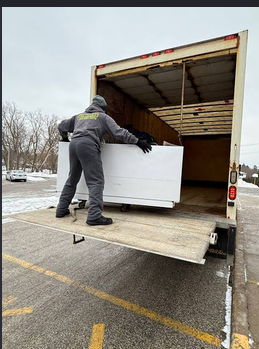
    I pay particular attention to unusual or heavy items. A piano, large sectional sofa, solid wood cabinet, or workshop machine may need special handling or additional workers. I once coordinated a move where a large dining table had to be taken apart before it could pass through a narrow entrance. Because the customer mentioned the table during the planning stage, the crew could prepare rather than discover the problem halfway through the job.

    Organizing Packing Without Overloading the Final Week

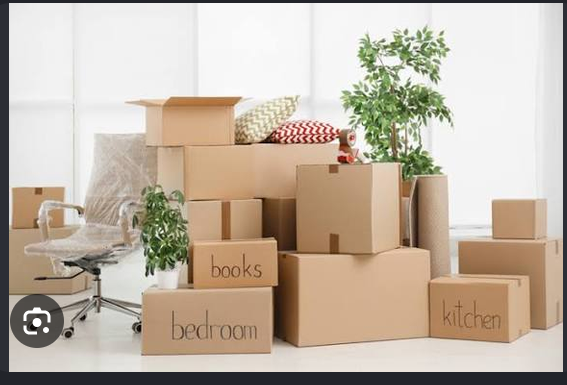
    I recommend packing items gradually instead of trying to finish the entire house in one weekend. Seasonal decorations, spare bedding, books, and rarely used kitchen equipment can often be boxed several weeks ahead of the move. I label each box with the destination room and a brief description of its contents. That makes it easier to place boxes correctly and locate particular belongings after arrival.

    The kitchen often deserves its own packing schedule. I have seen households spend hours sorting drawers, wrapping glassware, and deciding which pantry items should travel to the new home. I suggest keeping a small set of everyday dishes and utensils available until the final day, then packing them in a clearly marked box. A separate essentials bag can hold a kettle, mugs, snacks, cleaning cloths, and other items needed during the first evening.

    I also pay attention to carton weight. A small box filled with books can be harder to carry than a larger box containing pillows and blankets. I use sturdy, smaller cartons for dense items and avoid leaving fragile objects loose inside larger containers. Before sealing each box, I check that the bottom is secure and the contents cannot move freely during transport.

    Protecting Furniture and Preparing the Property

    I treat furniture protection as part of the moving plan rather than an afterthought. I remove loose shelves where appropriate, secure doors that may swing open, and keep screws or fittings in labelled bags. For furniture that needs disassembly, I take photographs before removing parts so I can refer to the original arrangement later. These small steps can reduce confusion when it is time to put everything back together.

    Older properties sometimes have narrow staircases, tight hallway turns, or doorways that are difficult to negotiate with large furniture. I recommend measuring the main pieces and checking their route out of the house before moving day. If a sofa cannot turn through the hallway, it may need to be carried through another suitable entrance or handled using a different approach. I would rather discover that issue early than risk damage to the furniture or walls.

    At the destination, I suggest deciding where the main furniture pieces should go before the truck is unloaded. I mark out the intended positions of beds, dressers, and larger tables so the crew can place them directly in the right rooms. This reduces the need to move heavy pieces again after the boxes have been stacked. It also helps keep the main walkways clear while the household settles in.

    Planning for Weather and Access in Ingersoll

    I always consider the weather forecast when planning a move in southwestern Ontario. Winter snow and ice can affect steps and driveways, while spring rain can leave entrances wet and muddy. I recommend clearing the main walkway before the crew arrives and keeping suitable floor protection ready where needed. A safe path matters more than trying to maintain the original schedule at all costs.

    Parking is another detail I confirm ahead of time. A moving truck needs enough room to load safely, and a long carry from the vehicle to the front door can increase the time required. I ask customers to move personal vehicles if necessary and check whether shared driveways or nearby parking restrictions could create problems. If the destination is outside the main town area, I also confirm the route and access instructions in advance.

    I advise households to make a plan for pets and young children during loading and unloading. Movers may need to leave doors open while carrying large items, and boxes can temporarily block familiar paths through the house. I prefer arranging a quiet, secure room away from the main work area or asking a trusted person to look after pets for a few hours. This gives the crew room to work and helps prevent avoidable accidents.

    Understanding Moving Costs Before Booking

    I encourage people to ask how the moving company calculates its charges. Some estimates may be based on hourly labour, while others may account for travel, distance, or a defined set of services. I would ask whether there is a minimum booking period and what happens if the job takes longer than expected. These questions are particularly useful when comparing quotes that appear quite different at first glance.

    I also recommend checking which packing materials and preparation tasks are included. A company may provide basic furniture wrapping but charge separately for full packing, specialty items, or additional materials. I would clarify whether appliances need to be disconnected and whether drawers or cabinets must be emptied before the crew arrives. Knowing who is responsible for each task makes the moving day easier to coordinate.

    For a household transporting several thousand dollars’ worth of belongings, I would also ask about the company’s process for reporting damage and what protection applies during transit. I keep the estimate, booking confirmation, and any written instructions together so the terms are easy to find. I do not assume every item is covered in the same way, because the agreement and applicable rules can affect the available protection. A clear explanation before booking is preferable to trying to interpret the paperwork after a problem occurs.

    Making the First Night in Your New Home Easier

    I do not expect customers to unpack every carton immediately after the truck leaves. I focus first on making the bedrooms usable, preparing the bathroom, and getting a few kitchen essentials in place. I keep medications, phone chargers, important documents, toiletries, and a change of clothes separate from the main shipment. These items are much easier to find when they are not buried beneath a dozen boxes.

    I also recommend checking the new property before the crew finishes. I look over larger furniture pieces for visible damage, confirm that the main items have reached the correct rooms, and check whether anything has been left behind. If I notice a concern, I document it with photographs and follow the company’s stated reporting procedure. Taking care of these details promptly can make later communication much simpler.

    My experience has taught me that preparation is usually more valuable than last-minute rushing. I encourage anyone planning a move in Ingersoll to create an accurate inventory, confirm the booking terms, and give themselves enough time to pack properly. Even a small household benefits from a clear schedule and labelled boxes. With the major decisions handled early, moving day can focus on getting belongings safely from one home to the next.